What Actually Gets Your Resume Noticed in Data Science
Why leading with your projects matters more than ever

Most data science resumes look the same right now.
And recruiters can tell.
I’ve had conversations with recruiters who are reviewing hundreds of applications at a time.
A lot of them look polished.
Well-written.
Keyword-filled.
Optimized.
But they still don’t stand out.
Because many of them were created the same way.
What’s Happening Right Now
AI has made it easier to write resumes.
But it’s also made it harder to stand out.
Recruiters are seeing:
The same phrases
The same project descriptions
The same tools listed in the same order
It becomes difficult to tell who actually understands the work.
So they start looking for something else.
Not the longest list of tools.
Not the most polished resume.
Just something that feels real.
📌 If you’re applying to data science roles right now, save this.
Standing out matters more than ever.
What I Got Wrong On My Resume
When I first started applying, my resume worked against me.
The first thing people saw was “teacher.”
And once they saw that, they stopped there.
They weren’t reading the rest.
They weren’t getting to my projects.
They weren’t seeing the work I had actually done in data science.
So I changed that.
I moved my projects to the top.
My projects became my experience.
Now when someone opened my resume, they saw data science first.
That made all the difference.
Your resume should reflect the role you want, not just where you started.
What Recruiters Actually Look For
When I review resumes, I’m not counting how many tools someone knows.
I’m looking for signs that they can:
Work through a problem
Make decisions
Explain their thinking
That shows up in how you describe your work.
Not just what you list.
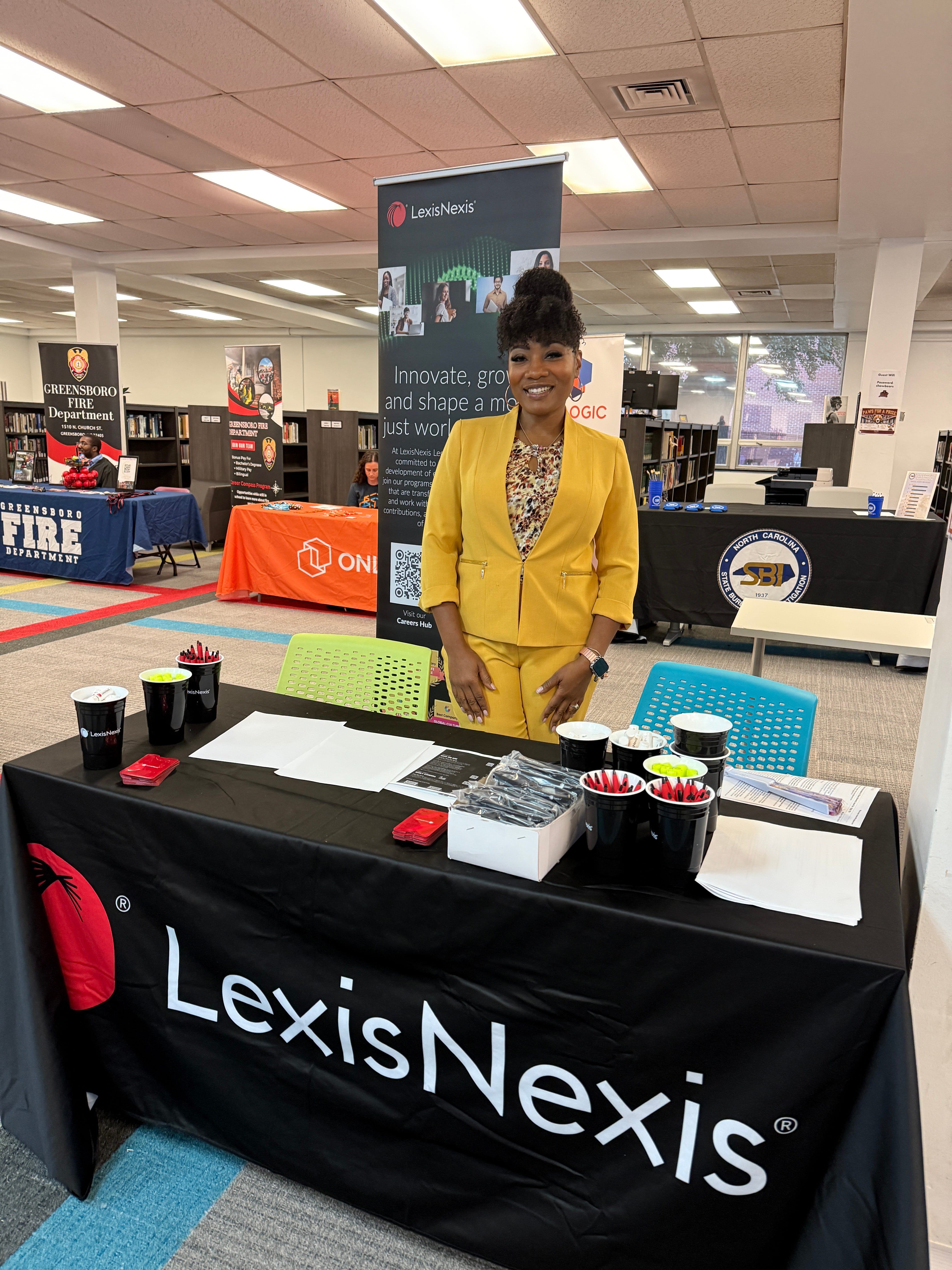
What I Look For When I’m Recruiting
I’ve been on the other side of this too.
I’ve represented my company at career fairs, talking to candidates face to face.
The first thing I look for is project experience.
Not just that it’s listed.
I ask about it on the spot.
Tell me about your project.
Why did you choose it?
What was your process?
What decisions did you make?
Nothing long.
Just walk me through your thinking.
That’s where it becomes clear very quickly who understands their work and who doesn’t.
Most of the time, the project came from a class or a bootcamp.
And that’s okay.
But what stands out is alignment.
Why this project?
What problem were you trying to solve?
How does it connect to real work?
That’s what gets people.
Because when you can explain your thinking clearly, it shows you’re ready to do the job.
You don’t need the perfect project.
You need to understand it well enough to explain it.
It’s challenging out here right now.
A lot of people are applying.
But the ones who can clearly talk through their work always stand out.
What Makes a Resume Stand Out
A strong resume does three things well.
1. It shows what problem you worked on
Instead of:
“Analyzed logistics dataset using Python”
Say:
“Reviewed shipment delays across distribution centers to identify where delivery times were breaking down”
2. It shows the decisions you made
Instead of:
“Built a model to predict inventory demand”
Say:
“Tested different forecasting approaches to understand which method handled seasonal demand changes more effectively”
3. It shows what your work leads to
Instead of:
“Created dashboard to visualize user data”
Say:
“Built a dashboard to highlight where users were dropping off during onboarding and suggested changes to improve completion rates”
Your resume is not a list of tasks.
It shows how you think.
The LinkedIn Piece I Didn’t Understand Yet
My resume wasn’t the only issue.
My LinkedIn wasn’t helping me either.
At the time, my profile looked just like my resume.
All teaching.
No projects.
No data work.
No visibility.
People weren’t connecting with me.
And I didn’t understand why.
What changed that was simple.
I started posting.
Sharing what I was learning.
Talking about projects.
Commenting on other data scientists’ posts.
That’s how I started meeting people.
Not by asking.
By showing.
Over time, people started recognizing my name.
And connecting became easier.
Visibility builds credibility.
Credibility makes it easier for people to support you.
Where Referrals Fit In
Even a strong resume can get missed.
That’s just the reality right now.
Recruiters are overwhelmed.
A lot of applications look the same.
A referral helps your resume get seen.
An advocate helps it get attention.
Someone inside the company saying:
“You should take a look at this person.”
That matters.
And it’s much easier for someone to vouch for you when they’ve seen your work.
A Simple Resume Check
Before you submit your resume, ask yourself:
Can someone quickly understand what I worked on?
Does this show how I approach a problem?
Is this aligned with the role I’m applying for?
Am I leading with my most relevant work?
If not, that’s where to focus.
If You’re Applying Right Now
You don’t need a perfect resume.
You need a clear one.
One that shows:
What you worked on
How you approached it
Why it matters
And one that reflects where you’re going.
Not just where you’ve been.
If You Want Help With This
This is where many people get stuck.
They’ve built projects.
They’ve updated their resume.
But they’re not sure if it actually stands out.
Inside Inside Data Science, paid members join monthly live Q&A sessions where we talk through:
resumes
projects
portfolio feedback
how to stand out in this market
Free subscribers receive every article.
Paid members can join the monthly sessions.
✨ If this helped you think differently about your resume, restack it so someone else can see it.
P.S.
If I asked you to explain your project in 60 seconds, could you do it?
About the Author
I didn’t start my career in tech.
For 20 years, I taught high school math. In my 40s, I made the decision to start over and transition into data science.
My first data science interview ended in rejection. The hiring manager asked if I knew BERT. I didn’t. Instead of giving up, I learned what I was missing, followed up with the same hiring manager, and eventually earned the job I was originally rejected from.
That moment changed how I approach this field.
Today I work as a Data Scientist and AI Developer, building applied AI systems and working on real-world machine learning projects.
Along the way, I’ve been recognized as a LinkedIn Top Voice (2024–2025), named one of the Amazing People at LexisNexis, and my transition story has been featured by Udemy and KDnuggets.
I now share the lessons I learned the hard way to help aspiring data scientists, students, and career changers better understand how this field actually works.
If you’re trying to break into data science or understand how the job market really works today, you’ll probably find my newsletter useful.
Inside Data Science with Data Sistah
(Free subscribers receive every article. Paid members join my monthly live Q&A sessions where we talk through projects, portfolios, and navigating the data science job market.)
— Data Sistah
Let’s Connect
If you’re on LinkedIn, feel free to connect with me.
If you found this article through Substack, send a quick note and let me know. I’m always collecting questions for future Q&A discussions.
https://www.linkedin.com/in/tiffany-teasley/